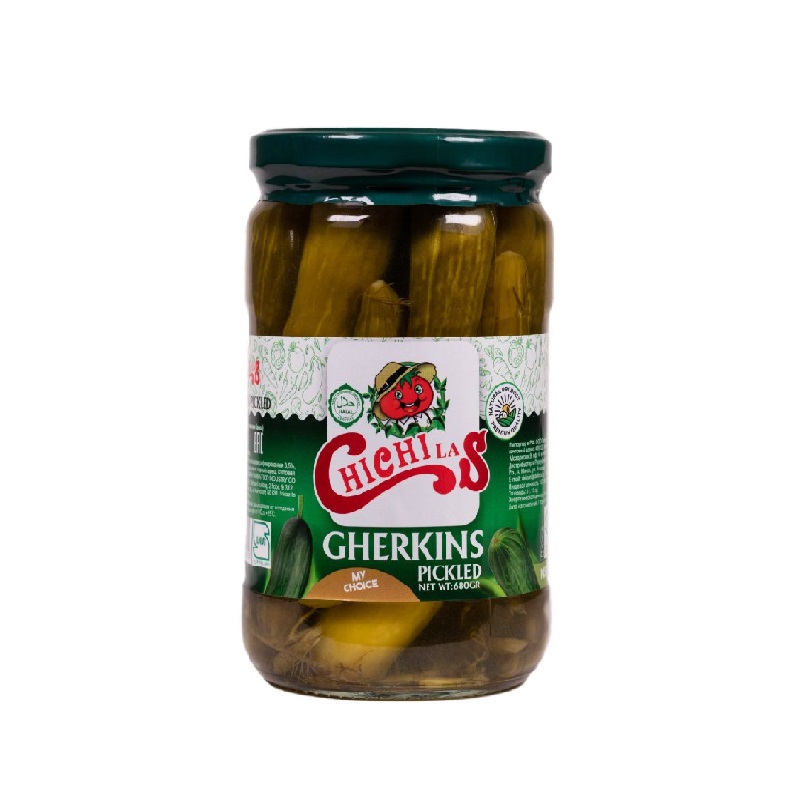
Olive pickle producer in Iran

High Quality Pickled Olives for Export
May 4, 2026
Industrial and Export Pickled Olives
April 25, 2026
Olive pickle producer in Iran plays a significant role today in meeting domestic market demand and expanding non-oil exports. With its diverse climate, fertile soil, and long history of olive cultivation, Iran has become one of the regional hubs for olive production and its processed products. In this context, professional players in the industry, by adhering to hygiene standards and modern packaging practices, have successfully supplied competitive products to both domestic and global markets.
Why Is Iran a Suitable Platform for Olive Pickle Production?
Climatically, Iran—especially in its northern and western regions and some central provinces—offers highly favorable conditions for olive cultivation. These advantages place any olive pickle producer in Iran in a privileged position:
- Diverse climate and altitude suitable for cultivating various olive varieties
- Access to skilled labor in horticulture and the food industry
- A long-standing tradition of olive and olive pickle consumption in Iranian cuisine
- Rapid growth of processing and packaging industries in recent years
Together, these factors have enabled Iran not only to supply its domestic market but also to compete in export markets.
Characteristics of a Standard Olive Pickle Producer
An industrial olive pickle producer in Iran does not rely solely on good taste. Multiple criteria are considered to ensure the final product appeals to both domestic consumers and international buyers. Key features include:
- Use of healthy, large-sized olives
- Controlled fermentation and brining processes
- Compliance with hygiene and quality standards
- Secure, multilingual packaging for export markets
- Variety in weight and product types to suit different market preferences
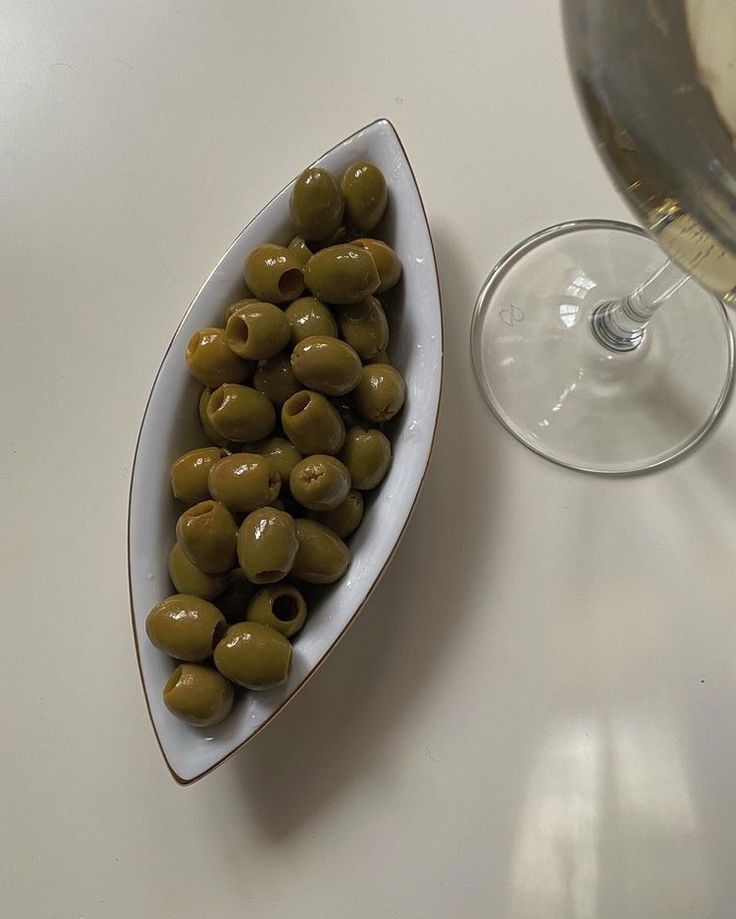
The Role of Packaging in the Success of Iranian Producers
In today’s competitive world, packaging is no longer just protective covering—it is a powerful marketing tool. An export-oriented olive pickle producer in Iran pays special attention to:
- Clear, crystal glass jars that showcase the natural color and texture of the olives
- Professionally designed labels with full product information, production date, and expiration date
- Multilingual labeling (Persian, English, and when necessary, the destination country’s language) to build trust among international buyers
- Displaying national standard marks, health certifications, and, where available, international certifications such as HACCP or ISO
Such packaging not only protects the product but also strengthens brand image and allows Iranian olive pickles to stand out on both domestic and international store shelves.
The Importance of Quality and Taste in Industrial Olive Pickles
Above all, the success of an olive pickle producer in Iran is not guaranteed merely by having modern production lines. Instead, taste and quality remain top priorities. As a result, today’s consumers—especially in export markets—are particularly sensitive to:
- Balanced saltiness (not overly salty nor bland)
- Absence of excessive bitterness due to proper fermentation
- Firm, crisp texture without damage or crushing
- Flavor variations such as olives with aromatic herbs, lemon, or mild spices
A producer who manages these factors effectively can deliver a product that earns a place on Iranian tables while also competing with well-known international brands.
Export Opportunities for Olive Pickle Producers in Iran
Considering the growing global demand for Mediterranean and healthy food products, an olive pickle producer in Iran can indeed secure a strong position in both regional and international markets. Key opportunities that arise from this trend include:
- Exporting to neighboring countries such as Iraq, Afghanistan, Pakistan, and Gulf states
- Entering the Russian and Central Asian markets, which seek reliable food suppliers
- Collaborating with international brands and retail chains
- Leveraging the “Halal product” advantage to access Islamic markets
To capitalize on these opportunities, producers must focus on international standards, consistent quality, proper packaging, and competitive pricing.

Challenges Facing Olive Pickle Producers in Iran
Despite the advantages and opportunities, an olive pickle producer in Iran also faces several challenges:
- Fluctuations in raw material prices and production costs
- Ensuring a stable supply of high-quality olives
- Transportation and logistics costs, especially for exports
- Continuous need to upgrade production and packaging technologies
- Competition with foreign brands in target markets
Nevertheless, a producer with strong management, long-term vision, and professional marketing strategies can transform these challenges into growth opportunities.
Conclusion: A Bright Future for Olive Pickle Producers in Iran
Given Iran’s favorable climate, the cultural presence of olives in Iranian cuisine, and the rising global demand for healthy Mediterranean products, the future for any olive pickle producer in Iran is undeniably bright and promising. Furthermore, growth can be significantly accelerated by focusing on:
- Enhancing quality and maintaining consistency in taste and appearance
- Developing modern, creative, and export-oriented packaging
- Complying with domestic and international standards
- Actively participating in trade fairs and foreign markets
If you are a producer, exporter, or investor interested in the olive pickle industry, now is the right time to strategically plan and take advantage of this golden opportunity in Iran’s food and export sector.
Contact Us to Buy or Distribute
General Director: Engineer Ibrahim Paski
 Mobile: +98 912 043 7969
 Office Phone: +98 11 33 30 4007
 Fax: +98 11 33 30 4007
 Email: foodkov@yahoo.com