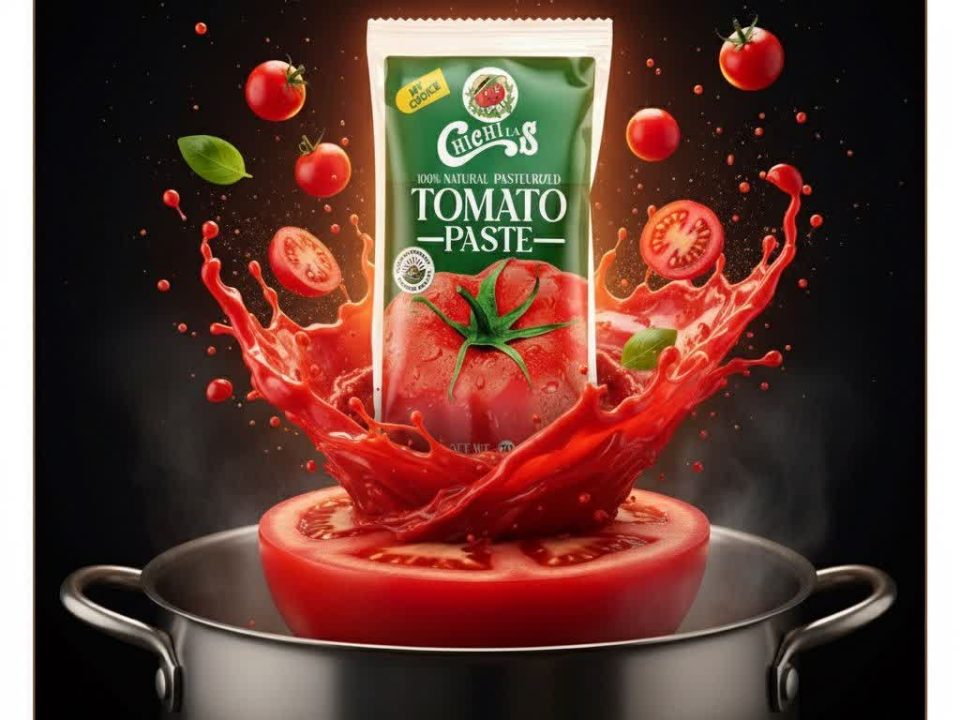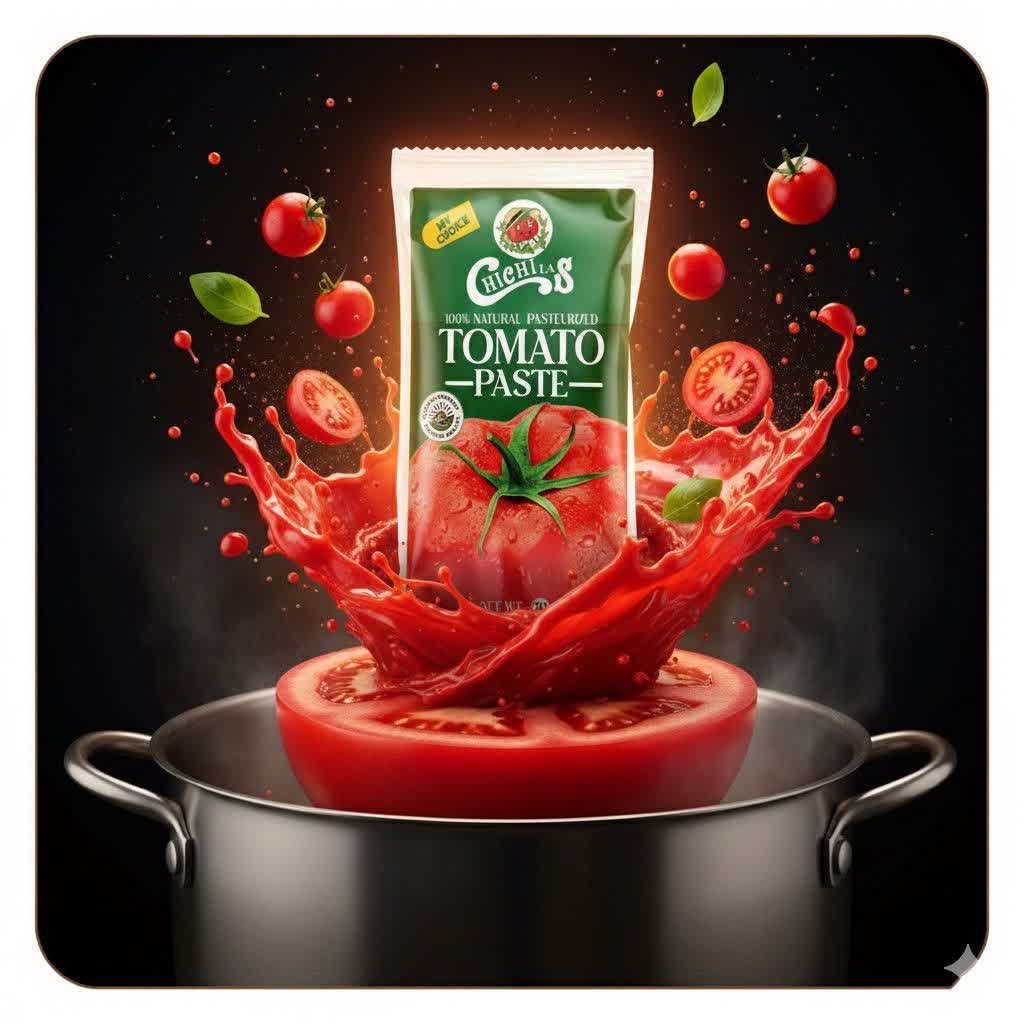
Canned Tomato Paste

Premium Tomato Paste ۸۰۰ g
October 13, 2026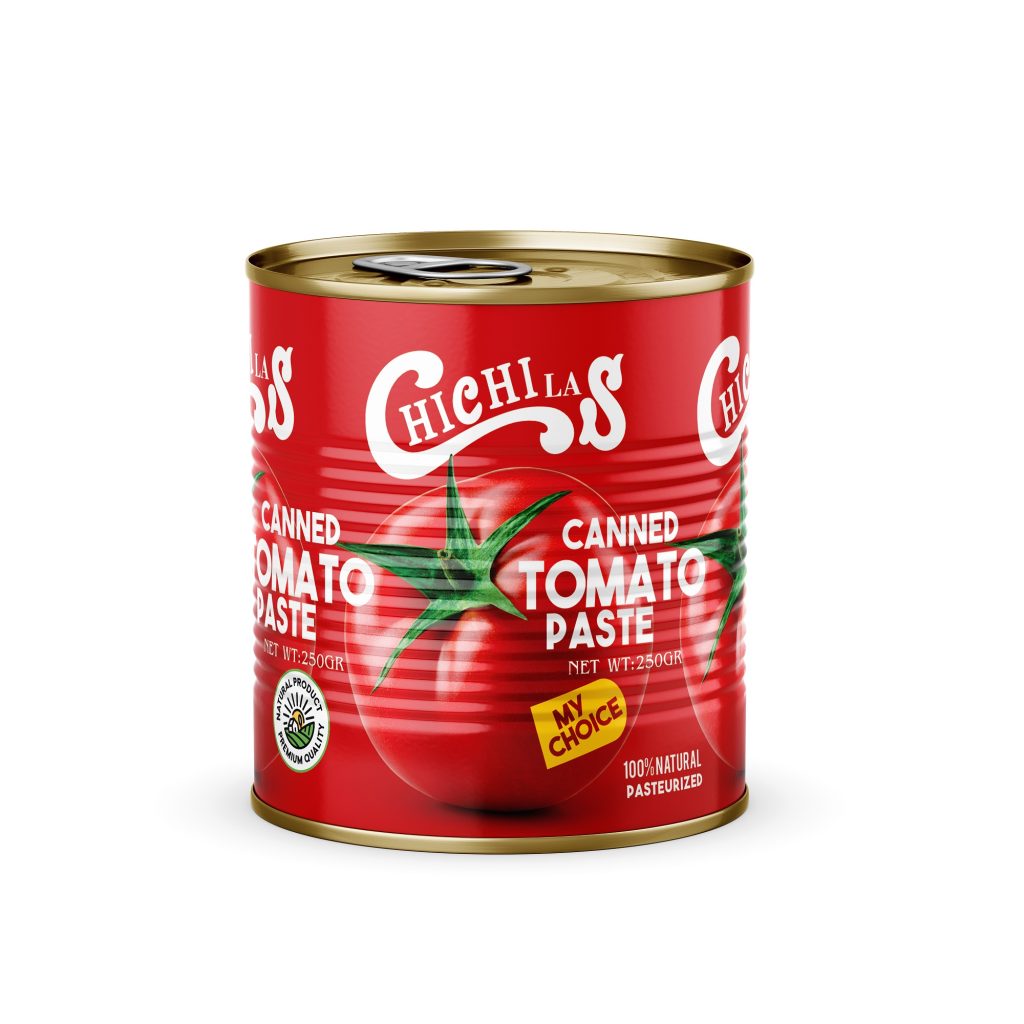
Tomato paste is one of the most widely used food products in Iranian cuisine, playing an important role in the flavor, color, and quality of dishes. Today, as food products become more diverse and hygienic food preservation gains importance, Canned Tomato Paste has become a popular choice for households, restaurants, catering centers, and grocery stores. This type of packaging provides suitable storage conditions, facilitates transportation, and comes in various sizes to meet the needs of different consumers.
In this article, we explore the features, benefits, purchasing considerations, and importance of choosing tomato paste in cans.
What Is Canned Tomato Paste?
Canned Tomato Paste is a product that manufacturers produce by selecting suitable tomatoes, washing, chopping, cooking, and concentrating them before filling the paste into food-grade cans. The primary goal is to deliver a product with desirable quality, an appealing color, a natural flavor, and an acceptable shelf life.
Manufacturers generally make tomato paste cans from metals suitable for the food industry. They also apply a standard internal coating to prevent direct contact between the paste and the metal. Can quality, proper sealing, and compliance with hygiene standards during production play important roles in preserving product quality.

Benefits of Canned Tomato Paste
Canned packaging offers several advantages for tomato paste. As a result, manufacturers and consumers pay considerable attention to this packaging option in the food market.
1. Preserving Quality and Extending Shelf Life
One of the main benefits of canned tomato paste packaging is its ability to protect the product from environmental factors and preserve its quality. Suitable packaging and proper sealing can reduce the product’s exposure to air, environmental contaminants, and other unfavorable conditions. However, the final shelf life also depends on the quality of the raw materials, the heat treatment process, packaging integrity, and storage conditions.
2. Easy Transportation and Storage
Metal cans generally have a sturdy structure and can withstand the usual impacts of transportation better than some fragile packaging materials. This feature is particularly important for grocery stores, distribution companies, restaurants, and businesses that purchase tomato paste in large quantities.
3. Variety of Weights and Sizes
Manufacturers offer tomato paste in cans of different sizes to meet consumer needs. Small cans are suitable for household use, while larger cans work well for restaurants, hotels, and catering centers. Choosing the right size can help reduce waste and manage costs more effectively.
4. Convenient Retail Display
The regular shape and sturdy structure of cans make it easier for retailers to arrange products on store shelves and in warehouses. Product information printed on the label or can body also helps consumers check the ingredients, weight, production date, and other essential details.
Characteristics of High-Quality Canned Tomato Paste
When purchasing tomato paste, consumers should consider more than just the packaging type. The quality of the product itself also matters. High-quality tomato paste should have the following characteristics:
-
- Natural, appealing color: The paste should have a color consistent with the product’s characteristics and production process.
-
- Pleasant taste and aroma: Good-quality tomato paste should have the natural taste and aroma of tomatoes, without unusual odors or flavors.
-
- Uniform texture: The product should have a relatively consistent texture without signs of spoilage or unusual changes.
-
- Intact packaging: The can should show no signs of swelling, leakage, severe rust, or damaging dents around the seams.
-
- Complete product information: The packaging should display the manufacturer’s details, production and expiration dates, relevant license numbers, net weight, and storage instructions.
Checking these characteristics helps consumers choose the right product with greater confidence.
Uses of Canned Tomato Paste
Tomato paste is a key ingredient in many Iranian and international dishes. Canned packaging also makes this product available for a wide range of applications.
In households, people use tomato paste to prepare stews, various cooked dishes, soups, traditional Iranian ash, pasta, and rice-based meals. Restaurants and catering centers generally consume larger quantities of tomato paste, making it important to choose packaging that matches daily usage.
Supermarket chains, wholesalers, and food distribution companies can also use canned packaging to organize the sale and distribution of this product more efficiently.
Important Tips for Buying Canned Tomato Paste
When choosing a suitable product, consider not only the price but also the quality of the raw materials and the manufacturer’s production standards.
-
- Inspect the can: Avoid cans that are swollen, leaking, or seriously damaged around the seams.
-
- Check the expiration date: Review the production date, expiration date, and storage instructions printed on the product.
-
- Choose the right size: For household use, select a can that matches your consumption needs. Restaurants and catering centers may find larger cans more economical for managing usage and costs.
-
- Check the manufacturer’s details: Buying from reputable brands and suppliers makes it easier to verify product information and follow up on quality concerns.
-
- Compare price and quality: A lower price does not necessarily mean a more economical purchase. Consider the paste’s quality, net weight, packaging integrity, and distribution conditions before making a decision.

Storage Conditions for Canned Tomato Paste
To preserve the quality of tomato paste, store unopened cans in a cool, dry place away from direct sunlight.
Consumers should also keep the product away from heat sources and follow the storage instructions printed on the packaging. After opening the can, transfer the paste to a clean, dry, food-safe container with a lid and refrigerate it. Using a clean, dry spoon also helps reduce the risk of contamination. Follow the manufacturer’s instructions to determine how long the paste remains suitable for consumption after opening.
The Importance of Standard Packaging in Tomato Paste Production
Standard packaging is an important factor in the successful distribution of food products.
When producing canned tomato paste, manufacturers must select suitable materials for the cans, inspect the quality of the internal coating, maintain hygienic production practices, and ensure proper sealing. By using appropriate equipment and conducting continuous quality checks, manufacturers can deliver a product with desirable flavor, color, texture, and packaging integrity. Suitable packaging also helps build customer trust and improve product distribution throughout the market.
Wholesale Canned Tomato Paste
Restaurants, hotels, grocery stores, distribution companies, and catering centers can reduce their food procurement costs and meet their daily needs more economically by purchasing Canned Tomato Paste in bulk.
When buying wholesale, customers should consider more than the price per can. They should also check the net weight, product quality, number of cans per carton, transportation conditions, production date, and supplier reliability.
Before placing an order, buyers should carefully review the product specifications and sales terms. When possible, requesting a product sample can also help them evaluate quality before making a large purchase.
Conclusion
Canned Tomato Paste is a practical choice for household and commercial use because of its sturdy packaging, convenient transportation, variety of sizes, and ability to provide suitable storage conditions. However, the final product quality depends on several factors, including the type of tomatoes, the production process, storage conditions, and packaging standards.
To choose the best product, consider the condition of the can, manufacturer information, expiration date, paste quality, and whether the package size matches your consumption needs. An informed choice can help preserve food quality, manage costs, and improve the overall experience of using tomato paste.
Canned Tomato Paste
Tomato paste is one of the most widely used food products in Iranian cuisine, playing an important role in the flavor, color, and quality of dishes. Today, as food products become more diverse and hygienic food preservation gains importance, Canned Tomato Paste has become a popular choice for households, restaurants, catering centers, and grocery stores. This type of packaging provides suitable storage conditions, facilitates transportation, and comes in various sizes to meet the needs of different consumers.
In this article, we explore the features, benefits, purchasing considerations, and importance of choosing tomato paste in cans.
What Is Canned Tomato Paste?
Canned Tomato Paste is a product that manufacturers produce by selecting suitable tomatoes, washing, chopping, cooking, and concentrating them before filling the paste into food-grade cans. The primary goal is to deliver a product with desirable quality, an appealing color, a natural flavor, and an acceptable shelf life.
Manufacturers generally make tomato paste cans from metals suitable for the food industry. They also apply a standard internal coating to prevent direct contact between the paste and the metal. Can quality, proper sealing, and compliance with hygiene standards during production play important roles in preserving product quality.
Benefits of Canned Tomato Paste
Canned packaging offers several advantages for tomato paste. As a result, manufacturers and consumers pay considerable attention to this packaging option in the food market.
1. Preserving Quality and Extending Shelf Life
One of the main benefits of canned tomato paste packaging is its ability to protect the product from environmental factors and preserve its quality. Suitable packaging and proper sealing can reduce the product’s exposure to air, environmental contaminants, and other unfavorable conditions. However, the final shelf life also depends on the quality of the raw materials, the heat treatment process, packaging integrity, and storage conditions.
2. Easy Transportation and Storage
Metal cans generally have a sturdy structure and can withstand the usual impacts of transportation better than some fragile packaging materials. This feature is particularly important for grocery stores, distribution companies, restaurants, and businesses that purchase tomato paste in large quantities.
3. Variety of Weights and Sizes
Manufacturers offer tomato paste in cans of different sizes to meet consumer needs. Small cans are suitable for household use, while larger cans work well for restaurants, hotels, and catering centers. Choosing the right size can help reduce waste and manage costs more effectively.
4. Convenient Retail Display
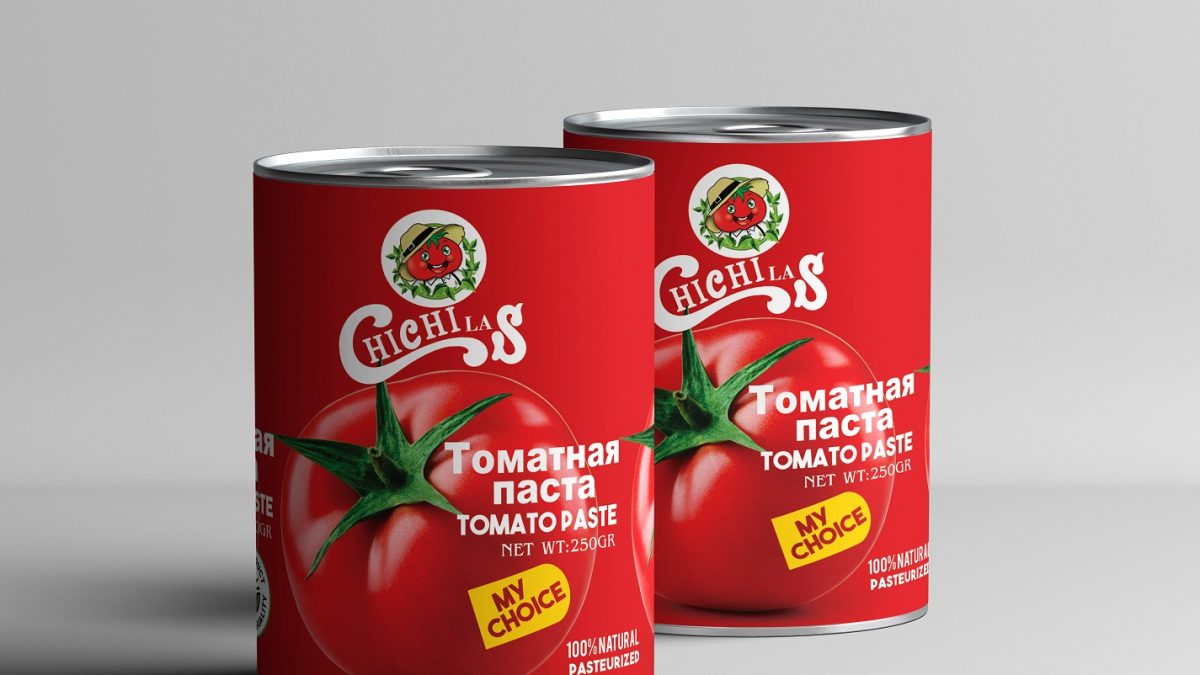
The regular shape and sturdy structure of cans make it easier for retailers to arrange products on store shelves and in warehouses. Product information printed on the label or can body also helps consumers check the ingredients, weight, production date, and other essential details.
Characteristics of High-Quality Canned Tomato Paste
When purchasing tomato paste, consumers should consider more than just the packaging type. The quality of the product itself also matters. High-quality tomato paste should have the following characteristics:
-
- Natural, appealing color: The paste should have a color consistent with the product’s characteristics and production process.
-
- Pleasant taste and aroma: Good-quality tomato paste should have the natural taste and aroma of tomatoes, without unusual odors or flavors.
-
- Uniform texture: The product should have a relatively consistent texture without signs of spoilage or unusual changes.
-
- Intact packaging: The can should show no signs of swelling, leakage, severe rust, or damaging dents around the seams.
-
- Complete product information: The packaging should display the manufacturer’s details, production and expiration dates, relevant license numbers, net weight, and storage instructions.
Checking these characteristics helps consumers choose the right product with greater confidence.
Uses of Canned Tomato Paste
Tomato paste is a key ingredient in many Iranian and international dishes. Canned packaging also makes this product available for a wide range of applications.
In households, people use tomato paste to prepare stews, various cooked dishes, soups, traditional Iranian ash, pasta, and rice-based meals. Restaurants and catering centers generally consume larger quantities of tomato paste, making it important to choose packaging that matches daily usage.
Supermarket chains, wholesalers, and food distribution companies can also use canned packaging to organize the sale and distribution of this product more efficiently.
Important Tips for Buying Canned Tomato Paste
When choosing a suitable product, consider not only the price but also the quality of the raw materials and the manufacturer’s production standards.
-
- Inspect the can: Avoid cans that are swollen, leaking, or seriously damaged around the seams.
-
- Check the expiration date: Review the production date, expiration date, and storage instructions printed on the product.
-
- Choose the right size: For household use, select a can that matches your consumption needs. Restaurants and catering centers may find larger cans more economical for managing usage and costs.
-
- Check the manufacturer’s details: Buying from reputable brands and suppliers makes it easier to verify product information and follow up on quality concerns.
-
- Compare price and quality: A lower price does not necessarily mean a more economical purchase. Consider the paste’s quality, net weight, packaging integrity, and distribution conditions before making a decision.
Storage Conditions for Canned Tomato Paste
To preserve the quality of tomato paste, store unopened cans in a cool, dry place away from direct sunlight.
Consumers should also keep the product away from heat sources and follow the storage instructions printed on the packaging. After opening the can, transfer the paste to a clean, dry, food-safe container with a lid and refrigerate it. Using a clean, dry spoon also helps reduce the risk of contamination. Follow the manufacturer’s instructions to determine how long the paste remains suitable for consumption after opening.
The Importance of Standard Packaging in Tomato Paste Production
Standard packaging is an important factor in the successful distribution of food products.
When producing canned tomato paste, manufacturers must select suitable materials for the cans, inspect the quality of the internal coating, maintain hygienic production practices, and ensure proper sealing. By using appropriate equipment and conducting continuous quality checks, manufacturers can deliver a product with desirable flavor, color, texture, and packaging integrity. Suitable packaging also helps build customer trust and improve product distribution throughout the market.
Wholesale Canned Tomato Paste
Restaurants, hotels, grocery stores, distribution companies, and catering centers can reduce their food procurement costs and meet their daily needs more economically by purchasing Canned Tomato Paste in bulk.
When buying wholesale, customers should consider more than the price per can. They should also check the net weight, product quality, number of cans per carton, transportation conditions, production date, and supplier reliability.
Before placing an order, buyers should carefully review the product specifications and sales terms. When possible, requesting a product sample can also help them evaluate quality before making a large purchase.
Conclusion
Canned Tomato Paste is a practical choice for household and commercial use because of its sturdy packaging, convenient transportation, variety of sizes, and ability to provide suitable storage conditions. However, the final product quality depends on several factors, including the type of tomatoes, the production process, storage conditions, and packaging standards.
To choose the best product, consider the condition of the can, manufacturer information, expiration date, paste quality, and whether the package size matches your consumption needs. An informed choice can help preserve food quality, manage costs, and improve the overall experience of using tomato paste.
Contact Us to Buy or Distribute
General Director: Engineer Ibrahim Paski
 Mobile: +98 912 043 7969
 Office Phone: +98 11 33 30 4007
 Fax: +98 11 33 30 4007
 Email: foodkov@yahoo.com