What are the benefits of using single serving tomato paste in restaurants?

Buy Chichilas Pouch Tomato Paste
September 12, 2026
In restaurants, fast-food establishments, catering services, and food preparation facilities, choosing the right type of food packaging can have a significant impact on costs, service speed, and customer experience. One product that has attracted the attention of many food-service businesses in recent years is single-serving tomato paste, also known as tomato paste sachets.
But what are the benefits of using single-serving tomato paste in restaurants? Why are many food-service businesses choosing single-serving packaging instead of large containers of tomato paste?
Below, we will explore the most important benefits of single-serving tomato paste for restaurants.
What Is Sachet Tomato Paste?
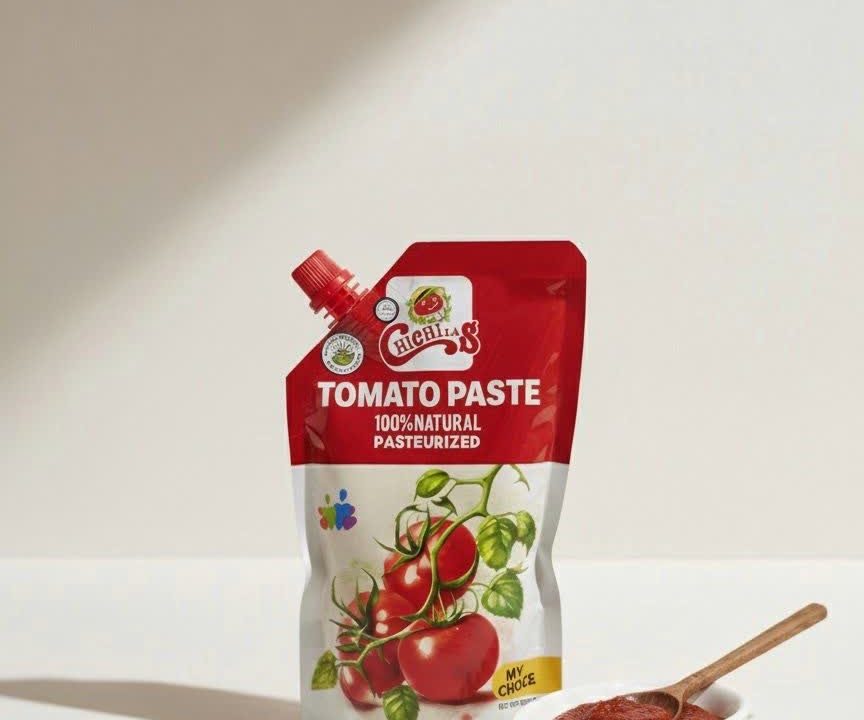
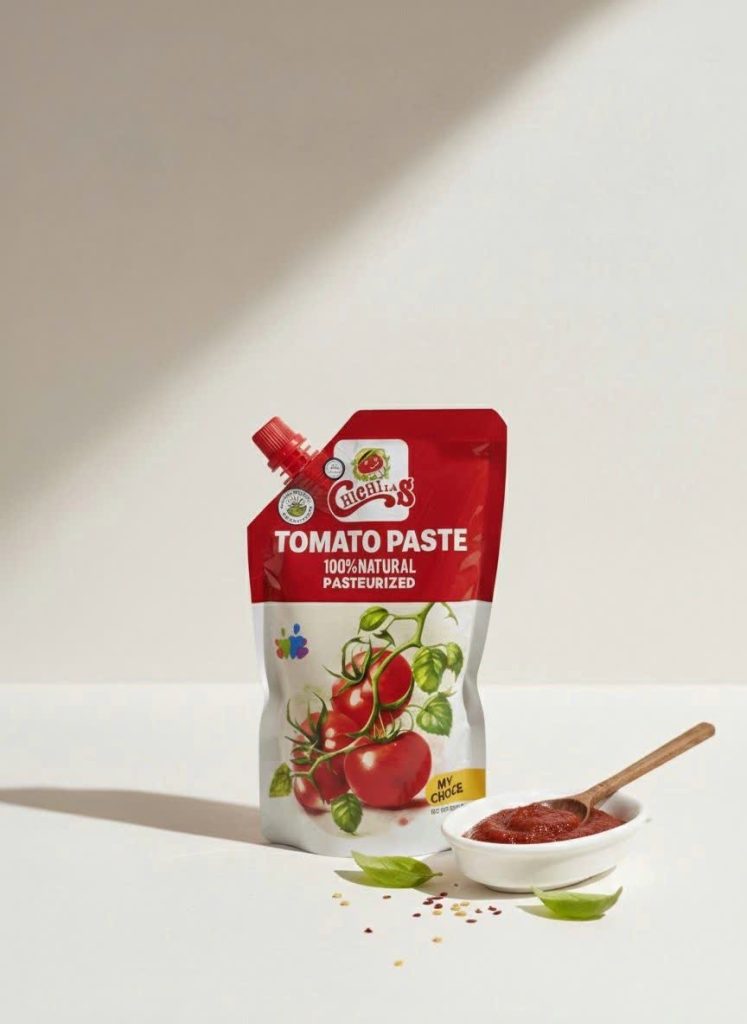
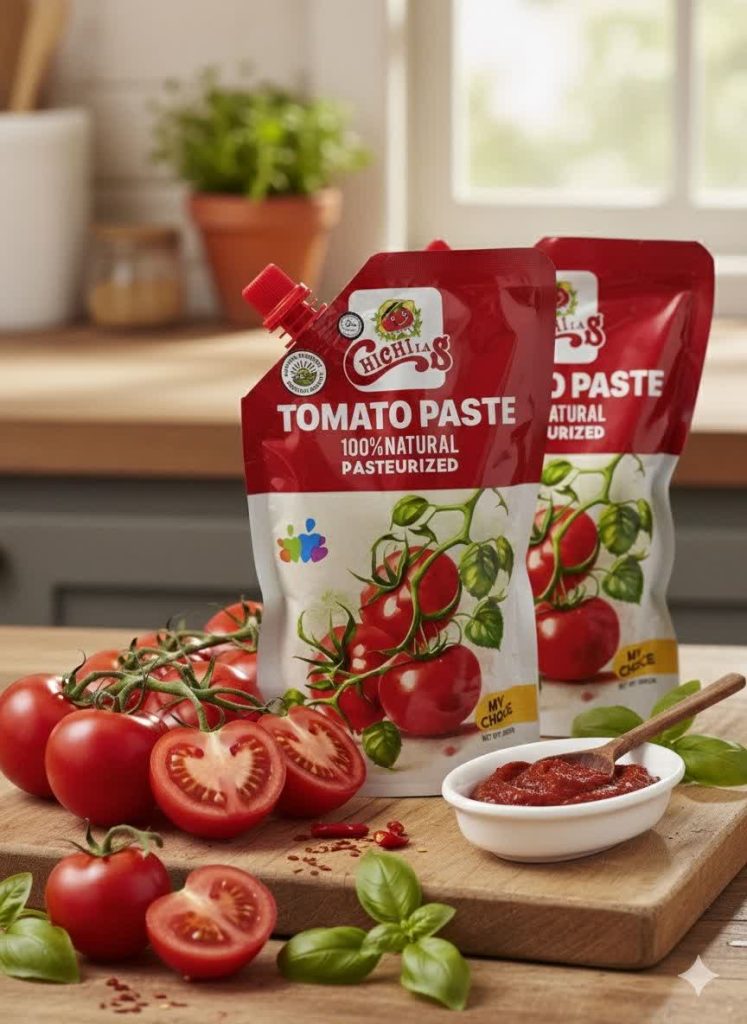
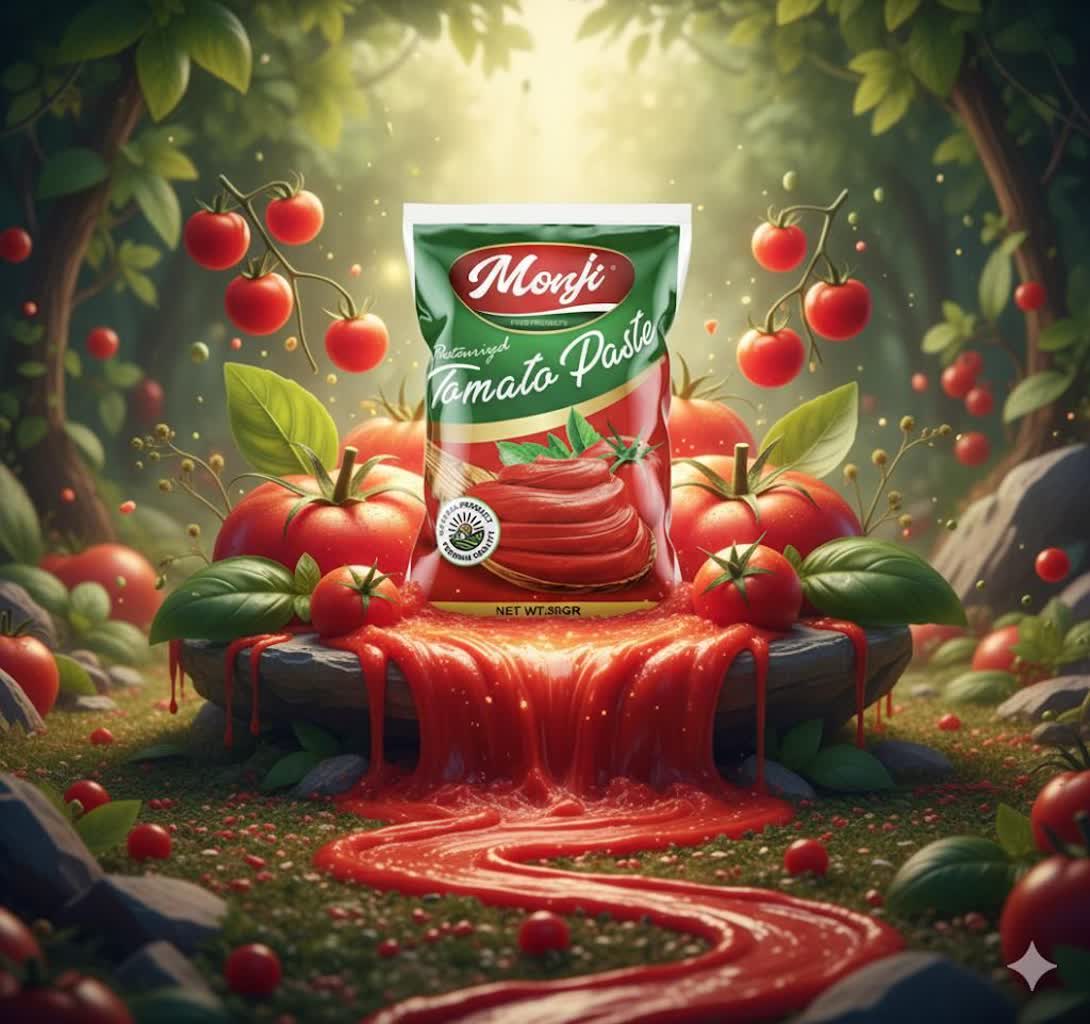
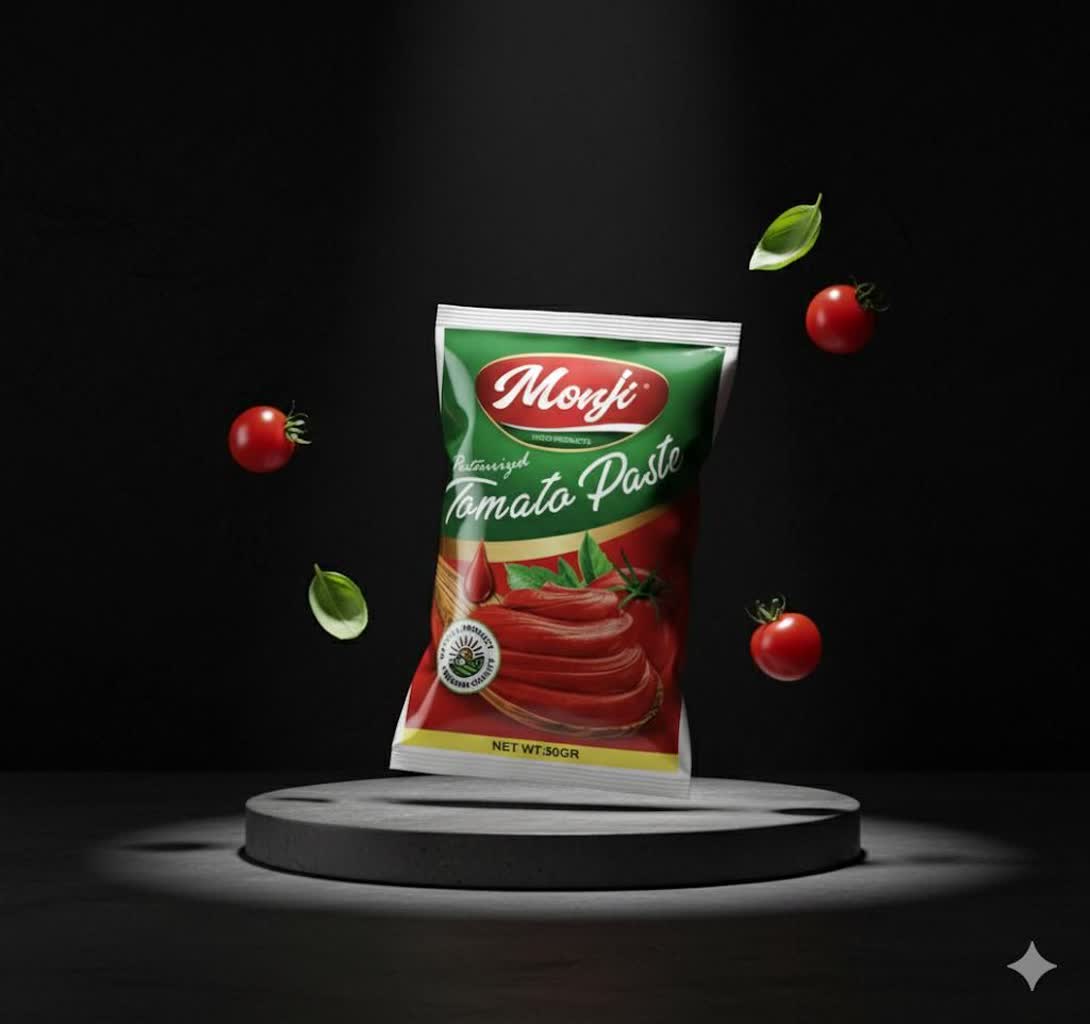
Single-serving tomato paste is a type of tomato paste offered in small packages designed for one serving or one customer. Sachet packaging is one of the most common forms of single-serving packaging. Due to its compact size, ease of use, and portability, it is widely used in food-service businesses.
Single-serving packaging keeps the product sealed until customers are ready to consume it, allowing them to open it whenever needed. This feature makes it easier to serve tomato paste alongside foods such as sandwiches, pizza, French fries, and various restaurant dishes.
1. Better Control Over Tomato Paste Consumption
One of the most important benefits of using single-serving tomato paste in restaurants is better control over consumption.
When restaurants serve tomato paste from a large container or an opened package, customers may consume different amounts. Customers may also leave some product unused or waste it when they use more than they need.
Single-serving packaging provides customers with a predetermined amount of tomato paste. As a result, restaurants can manage consumption more effectively and plan their purchasing and inventory more accurately. Controlling portion sizes is an important part of cost management in food-service businesses.
2. Better Hygiene and Reduced Contact with the Product
Hygiene is extremely important in restaurants. Shared containers or bottles of condiments can be touched repeatedly by different customers, increasing contact with the container.
In contrast, sachet tomato paste remains sealed until it is used, and the customer opens the package personally. This reduces direct contact between different people and the product and can help provide a more hygienic way of serving condiments.
The food-service industry also widely uses single-serving packages because they provide controlled portions in individual packs, making them ideal for fast-service and takeaway operations.
3. Reduced Tomato Paste Waste
Food waste is one of the hidden costs of running a restaurant. Restaurants may leave part of a large package of tomato paste unused after opening, or staff may use more product than necessary during service.
Using single-serving tomato paste can help manage this issue. Each package is intended for one serving, and customers only open it when they need tomato paste.
Of course, the actual reduction in waste depends on the type of service, the number of customers, and the restaurant’s management practices. However, single-serving packaging generally provides better control over the amount of product consumed.
4. Faster Service
During busy hours, order preparation speed is extremely important. Restaurant employees need to prepare and serve orders as quickly as possible.
Single-serving restaurant tomato paste is ready to use and does not require measuring or transferring the product into another container, which can simplify the food-service process.
This advantage is particularly important for fast-food restaurants, catering services, takeaway orders, and businesses that handle a large number of orders within a short period. Sachet packaging is well suited to fast-service environments because it is ready for immediate consumption.
5. Ideal for Takeaway and Food Delivery Orders
Another important benefit of single-serving tomato paste is its usefulness for takeaway and food delivery orders.
Including a sachet of tomato paste with an order allows customers to open it when they are ready to eat. Proper packaging can also help prevent the product from leaking or spreading inside the food package.
For this reason, many food-service businesses, catering companies, and takeaway services use single-serving condiment packaging.
6. Convenience for Customers
Customer convenience is an important part of the dining experience, especially when it comes to products served alongside a meal.
Single-serving tomato paste takes up very little space, and customers can easily open the package and add it to their food. This option is particularly useful for dishes that commonly include tomato paste, such as certain fast-food and takeaway meals.
In other words, sachet packaging provides the product to customers in a ready-to-use, single-serving format.
7. Easier Restaurant Inventory Management
Inventory management is an important part of running a restaurant. When food products are supplied in clearly defined packages, counting and planning their usage becomes easier.
Restaurants can monitor the number of packages used and estimate their future purchasing needs based on sales volume. This can help improve cost management and prevent product shortages during busy periods.
8. A Neater and More Professional Food-Service Presentation
Appropriate packaging can also affect the appearance of an order. Providing a single-serving packet of tomato paste alongside a meal creates a neat and standardized presentation and reduces the need for shared containers or large condiment bottles on the table.
In addition, if the packaging is professionally designed and customized with the restaurant’s branding, it can also become part of the restaurant’s visual identity.
9. Versatile Applications in Restaurants and Fast-Food Businesses
Sachets of tomato paste can serve many types of food and suit a variety of situations, including:
- Serving alongside different types of sandwiches
- Serving with pizza and French fries
- Takeaway orders
- Catering services
- Corporate meal packages
- Hotels and hospitality facilities
- Travel and picnic food packages
For this reason, choosing single-serving tomato paste can be practical for businesses that offer a wide variety of food-service options.
What Should You Consider When Buying Single-Serving Tomato Paste?
If you are planning to purchase single-serving tomato paste for a restaurant, do not consider price alone. Both the quality of the tomato paste and the quality of the packaging are important.
When purchasing, it is recommended to consider the following factors:
- The quality and taste of the tomato paste
- Appropriate color and consistency
- The weight and quantity of each sachet based on the intended use
- Packaging quality and durability
- Ease of opening
- Storage conditions and expiration date
- Information printed on the packaging
- Price in relation to product quality and quantity
- The manufacturer’s reputation and experience
The right packaging should be selected based on the restaurant’s business model, order volume, and method of food service.
Is Single-Serving Tomato Paste Suitable for Every Restaurant?
Not necessarily. The type of restaurant and its tomato paste usage determine whether single-serving packaging or larger packages offer the better option.
For businesses that use tomato paste directly in the cooking process and in large quantities, larger packages may be more economical and practical. However, for serving alongside meals, takeaway orders, fast-food restaurants, and catering services, single-serving packaging can offer advantages such as better portion control, convenience, and faster service.
What Are the Benefits of Using Sachet Tomato Paste in Restaurants?
In answer to the question, what are the benefits of using single-serving tomato paste in restaurants?, the main advantages include better portion control, reduced waste, improved hygiene, faster service, greater convenience, easier inventory management, and suitability for takeaway orders.
Single-serving tomato paste can be a suitable choice for a restaurant when it matches the business’s service model and consumption patterns. Therefore, when selecting a product, restaurants should consider not only the price but also the quality of the tomato paste, the quantity in each package, packaging quality, and the actual needs of the business.
Ultimately, choosing high-quality sachet tomato paste with standardized packaging can make condiment service simpler, cleaner, and more organized for both restaurants and customers.
Contact Us to Buy or Distribute
General Director: Engineer Ibrahim Paski
 Mobile: +98 912 043 7969
 Office Phone: +98 11 33 30 4007
 Fax: +98 11 33 30 4007
 Email: foodkov@yahoo.com